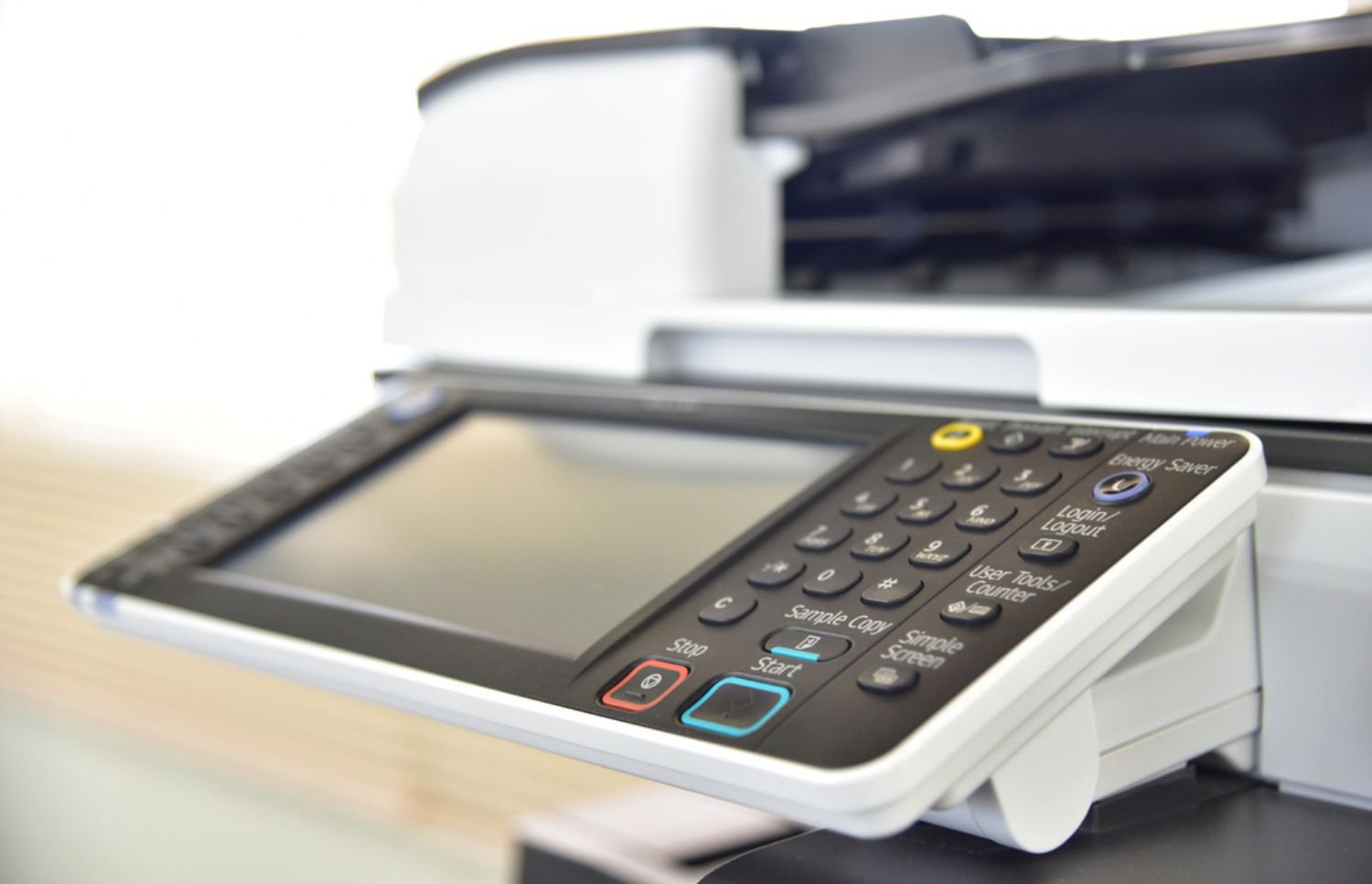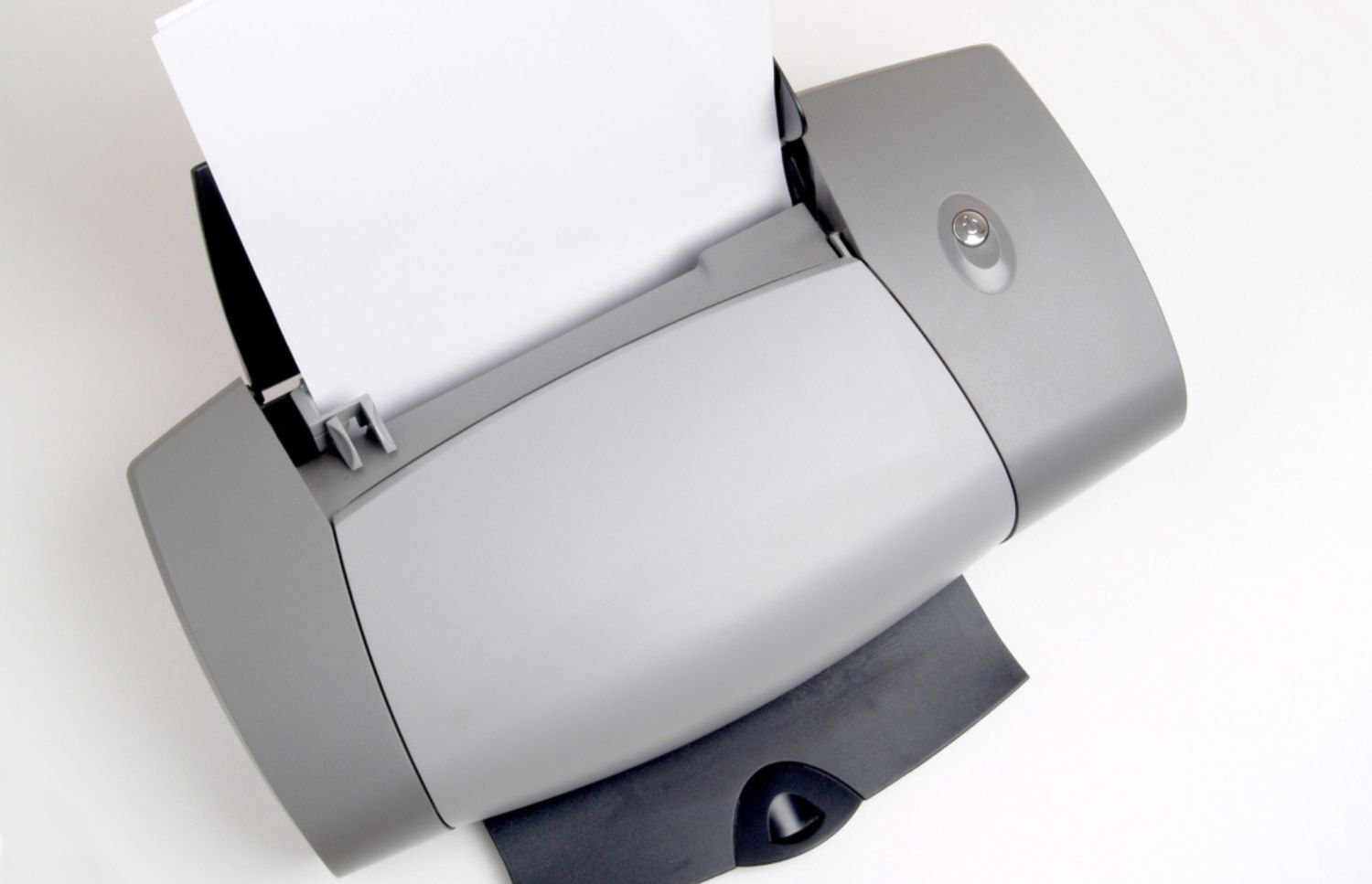

Office printing needs vary widely, making it essential to understand the difference between a laser printer and a sublimation printer. The right choice impacts print quality, operational expenses, and how reliably your team can meet deadlines. Businesses that align printer type with daily workloads see improved uptime and better return on investment.
Laser printers specialize in high-speed, document-heavy output suitable for busy office environments. In contrast, some printers excel at producing full-color images on specialty materials with exceptional detail. Understanding these distinctions helps prevent costly equipment mismatches and ensures smoother business operations.
Understanding How Laser Printers Operate
Laser printers use a precise imaging process to transfer toner onto paper before fusing it with heat. This method produces sharp, consistent results at speeds that meet the demands of fast-paced office environments. For teams handling heavy document requirements, this speed boosts productivity and supports efficient paper printing for modern businesses.

They are particularly cost-effective for high-volume text printing because toner cartridges outlast traditional ink by a significant margin. Offices in finance, law, and administration benefit from this reliability during peak reporting or critical contract preparation periods. When paired with a sublimation printer, models built for sustained performance deliver consistent results even under demanding, high-volume workloads.
Routine maintenance prevents unnecessary downtime while ensuring that print quality remains consistent across all projects and documents. Scheduled servicing, combined with timely replacement of supplies, can significantly extend a laser printer’s operational lifespan. This predictability makes them an excellent choice for organizations seeking consistent output without unexpected or costly workflow interruptions.
What Sets a Sublimation Printer Apart
A sublimation printer uses heat to transfer dye into treated materials like fabric, metal, or coated plastics. This method creates vivid, long-lasting images that resist fading, peeling, or cracking even with frequent use. Many creative and promotional industries value its precision, color depth, and ability to produce professional-quality results consistently.
The visual output is ideal for branded apparel, high-impact signage, and promotional merchandise requiring lasting durability and clarity. The difference between sublimation printers and normal printers is evident in the richer, more vibrant results on specialty surfaces. This makes it a strong choice when image vibrancy and long-term quality are essential business priorities.
Although image quality is exceptional, a sublimation printer is slower and less practical for high volume printing on office paper. They function best alongside a traditional printer to balance specialized image production with everyday document efficiency. Additionally, higher costs for specialty inks and blanks require careful inventory planning to prevent production delays during peak demand.
Comparing Total Cost of Ownership for a Laser and Sublimation Printer
Leasing provides businesses with access to up-to-date printer technology without the burden of a significant upfront cost. Flexible payment arrangements can align with budget cycles while often including necessary maintenance services within the agreement. This approach is ideal for organizations anticipating rapid growth, evolving technology requirements, or frequent hardware replacement.
Purchasing outright, whether it’s a laser or sublimation printer, can lead to long-term savings for businesses with consistent, predictable printing demands over multiple years. Ownership eliminates ongoing lease payments but shifts all repair, servicing, and upkeep responsibilities to the organization. Strategic budgeting helps prevent unexpected repair expenses from affecting productivity or operational continuity.
Service responsiveness is an important factor when weighing the benefits of leasing versus purchasing. Even top-performing printers for high volume printing can cause workflow disruptions if service delays occur during critical business periods. Choosing a provider with proven response times and comprehensive maintenance coverage ensures reliable performance and minimal downtime for daily operations.
Ultimately, the decision depends on balancing cost flexibility, expected print volumes, and available equipment management resources. A thoughtful approach ensures printers, including a sublimation printer, enhance rather than hinder productivity. Evaluating long-term priorities carefully results in a solution that maintains efficiency and controls expenses effectively.
Leasing vs Buying: Choosing the Right Approach
Leasing gives businesses access to modern printer technology without the strain of a large initial investment. Flexible payment options can align with budget cycles while often including maintenance support in the agreement. This arrangement benefits organizations anticipating growth, evolving technology needs, or frequent hardware upgrades.
Purchasing outright can deliver long-term savings for businesses with steady, predictable printing requirements over several years. Ownership removes recurring lease payments but shifts all repair and upkeep costs to the organization. Strategic budgeting is necessary to prevent unplanned expenses from disrupting operations.
Service responsiveness is a critical factor in determining the better choice between leasing and purchasing options. Even top-quality printers, including a sublimation printer, can become operational bottlenecks if service delays occur during peak demand. Fast, reliable support helps maintain productivity and reduces downtime-related costs.
The best approach depends on balancing financial flexibility, print volume needs, and equipment management capabilities. An informed decision ensures printing resources enhance daily operations rather than creating workflow challenges. Careful evaluation of business priorities leads to a solution that supports efficiency and cost control.

Matching Printer Technology to Your Office Output
Selecting between a laser printer and other printing technologies like a sublimation printer requires assessing your office’s most frequent printing demands. Offices handling mostly text-based documents will benefit from the speed and efficiency of a laser printer. Creative teams producing vibrant images or specialty merchandise will find specialized equipment delivers superior results on suitable materials.
Some businesses discover value in maintaining both laser and sublimation printers to handle diverse printing needs effectively. This strategy allows staff to choose the right machine for each project, improving overall productivity through better workflow automation. Using both technologies also reduces wear on individual devices, helping extend their operational lifespan.
Proper capacity planning ensures printers are not pushed beyond intended limits, which can lead to premature breakdowns. Overworked devices require more frequent servicing, while underused high-capacity machines may represent wasted investment. Balancing workload with equipment capabilities prevents costly inefficiencies and performance issues.
Considering seasonal surges and unique projects helps align your printer investments with both current and future requirements. Anticipating fluctuations allows for better resource allocation and uninterrupted workflow during peak demand. Consistent quality and predictable costs are easier to achieve when planning includes long-term operational needs.
Making the Right Printing Choice for Long-Term Success
Laser and sublimation printers each offer distinct advantages, and choosing between them depends on your organization’s output priorities. Businesses focused on speed, durability, and high-volume documents benefit most from laser technology. Teams producing vivid, specialty images achieve the best results with sublimation printing.
For practical advice on selecting, leasing, and maintaining the right printing solution for your business, contact On-Site LaserMedic. Their expertise ensures your equipment supports productivity, reduces downtime, and keeps printing costs predictable over the long term.