
Smart healthcare office management goes beyond keeping the front desk organized. It is about building systems that help the practice run smoothly from scheduling to documentation to staff coordination. When those systems fall short, the effects often appear quickly through longer wait times, missed details, and more daily stress for employees. Strong healthcare office management helps reduce that pressure by creating clearer workflows, more consistent routines, and a better experience for both patients and staff.
Defining Smart Healthcare Office Management for Busy Practices
Healthcare office management is the system behind the daily flow of the practice. It covers scheduling, documentation, communication, device reliability, and the processes that connect front-office work to clinical care. When those parts work together, the office feels more stable and predictable. Patients move through visits with fewer delays, and staff spend less time dealing with preventable problems.
Most office issues do not begin with one major failure. More often, they come from small inefficiencies that build pressure throughout the day. A delayed chart, a scheduling conflict, an unclear handoff, or a scanner issue can disrupt everything that follows. That is why healthcare office management matters. It gives the practice a more reliable structure instead of forcing staff to rely on constant workarounds.
For busy clinics, the goal is not perfection. It is consistency. Strong systems help staff know what comes next, where information should go, and how responsibilities move across the office. That consistency supports better patient service and helps keep the day running smoothly.

How Better Scheduling Systems Strengthen Healthcare Office Management
Scheduling shapes nearly every part of healthcare office management. It affects patient flow, provider pacing, room use, front desk workload, and wait times. When the schedule is not managed well, one issue can disrupt the rest of the day and create more pressure for both staff and patients.
A stronger scheduling process often starts with a few practical improvements:
- clear appointment types for different visit needs
- realistic time blocks that match the actual pace of care
- consistent confirmation procedures to reduce no-shows and confusion
- regular review of bottlenecks during busy parts of the day
- better planning for late-day overlap and last-minute changes
When those pieces are in place, the schedule becomes easier to manage. Staff spend less time scrambling, patients experience a more organized visit, and the practice gains a steadier daily rhythm.
Improving Documentation Workflows to Reduce Delays and Administrative Stress
Documentation is a key part of healthcare office management because it supports nearly every stage of the visit. Intake forms, referrals, insurance records, visit summaries, and follow-up instructions all need to move accurately and on time. When that process breaks down, staff lose time reprinting forms, tracking down paperwork, or fixing avoidable mistakes.
These delays may seem minor at first, but they add up quickly. A missing form can slow check-in. A scanning backlog can delay communication between teams. An unclear filing process can create confusion long after the patient has left. Over time, weak documentation workflows affect accuracy, efficiency, and staff stress.
A stronger process gives employees a clearer way to handle records from start to finish. That may include standardizing document routing, improving scan and print habits, and reducing manual steps that create extra work. Practices that want to strengthen this part of the workflow may also benefit from managed print services and document management systems, especially when records still move between paper and digital processes throughout the day.
Strengthening Staff Coordination Across Front Office and Clinical Teams
Healthcare office management depends on how well people work together across the practice. The front office, clinical team, and office leadership each have different responsibilities, but those responsibilities need to stay connected. When communication is inconsistent, even routine tasks become harder than they should be.
Coordination problems often show up during handoffs. A patient may be checked in before key information reaches the clinical team. A provider update may not make it back to the front desk in time. A schedule change may be clear to one group but not another. These gaps create confusion, slow the office, and add pressure to employees already managing a full workload.
Better coordination starts with clearer processes for sharing information and assigning responsibility. It does not always require a major operational change. In many offices, improvement begins with more reliable routines, clearer ownership, and tools that support smoother document handling and communication, such as document management systems

Where Technology and Print Support Can Improve Daily Office Efficiency
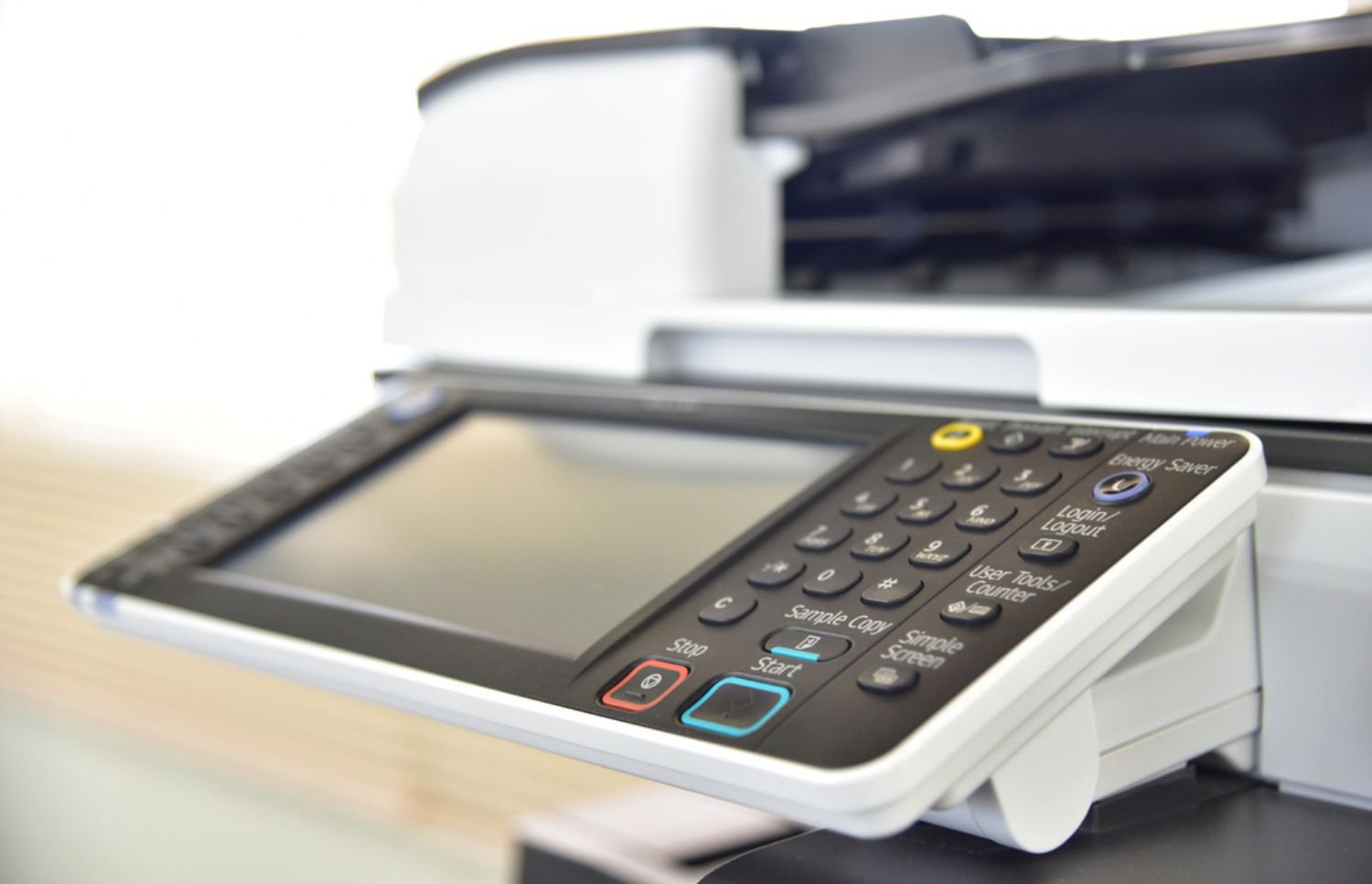
Technology plays an important role in healthcare office management because many daily tasks depend on speed, accuracy, and access to information. Scheduling platforms, scanners, printers, and multifunction devices all affect how work moves across the office. When they work well, the practice feels more efficient. When they do not, staff lose time troubleshooting instead of focusing on patients.
Printing and scanning still matter in many healthcare settings. Referral forms, patient instructions, billing records, and signed documents often move between paper and digital workflows. That is why device uptime matters. Reliable support, proactive maintenance, and supply management can make a meaningful difference in daily office flow.
For practices that still rely on printed forms and scanned records, support such as managed print services can help create a more dependable routine. On-Site LaserMedic also highlights services such as document management, scan-to-cloud, and workflow support for offices that want to reduce interruptions and keep information moving efficiently.
How Smarter Healthcare Office Management Improves Patient Experience and Reduces Burnout
The best healthcare office management strategies improve more than operations. They help create a better experience for patients and a more manageable workload for staff. When check-in is organized, documentation moves smoothly, and communication is clear, the office feels more dependable for everyone involved.
That is why smarter systems matter. They reduce daily strain, support more consistent service, and help the practice run with less disruption. If your office is ready to improve workflow and reduce document-related inefficiencies, contact us to learn how On-Site LaserMedic can help.