
First-time printer setup often feels simple until ink installation becomes the bottleneck. Knowing how to put ink in a HP printer correctly from the start prevents setup errors, protects internal components, and sets the foundation for reliable performance over time. When ink is installed properly and replaced on schedule, HP printers maintain consistent output and experience fewer service interruptions.
Ink installation is not just a setup task. It is an early maintenance decision that affects print quality, device lifespan, and overall reliability. The guide below walks through the correct process for installing ink in HP printers for the first time, highlights common mistakes to avoid, and explains why proactive ink management matters long after setup is complete.
How to Put Ink in a HP Printer During Initial Setup
Before installing ink, confirm that the printer is fully unpacked and placed on a stable surface. Remove all shipping materials, tape, and internal packaging. Many setup issues occur because protective inserts are left inside the device.
Plug the printer into a power source and turn it on. Most HP printers require power during ink installation so the cartridge carriage can move into position. Keep the new ink cartridges sealed until the printer prompts for installation to prevent premature exposure to air.
Always verify cartridge compatibility with the specific printer model. Using the wrong cartridge can halt setup and trigger recognition errors that delay deployment.

Step-by-Step Instructions: How to Put Ink in a HP Printer
The steps below apply to most HP inkjet printers, including DeskJet, OfficeJet, and ENVY models. Model-specific prompts may vary slightly, but the core process remains consistent.
Step 1: Open the ink cartridge access door
- Lift the access panel or door as directed by the printer design. The cartridge carriage will move to the center. Wait until it stops completely before touching anything inside.
Step 2: Remove the setup cartridges or placeholders
- Some printers ship with temporary cartridges or protective placeholders. Remove them carefully according to the on-screen instructions.
Step 3: Prepare the ink cartridges
- Unpack each cartridge and remove the protective tape. Avoid touching the copper contacts or ink nozzles, as this can interfere with ink flow and cartridge recognition.
Step 4: Insert the cartridges into the correct slots
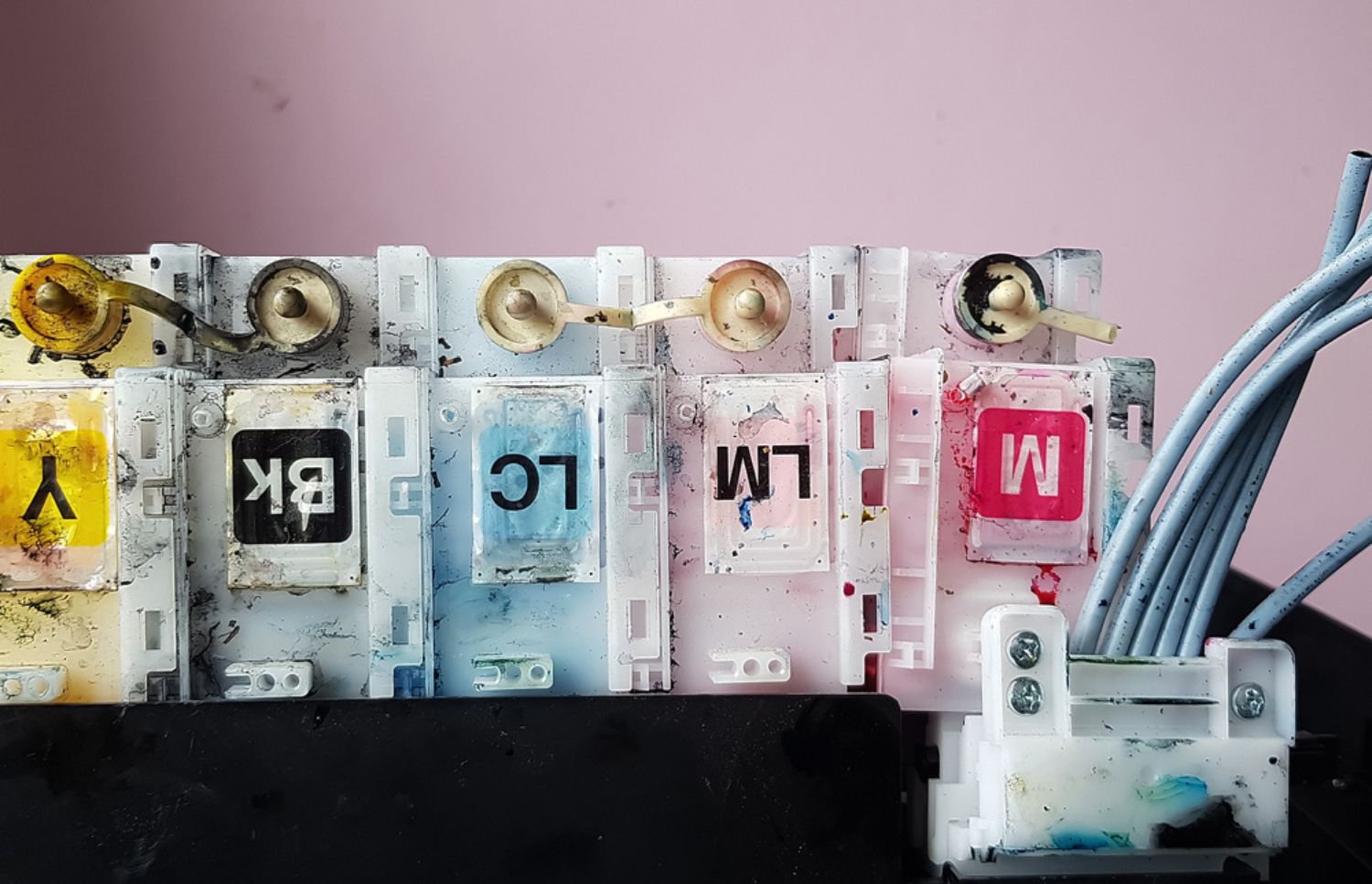
- Slide each cartridge into its color-coded slot until it clicks into place. Black and color cartridges must be installed in the correct positions for the printer to function.
Step 5: Close the access door
- Once the door is closed, the printer will begin initializing the ink system. This process may take several minutes and should not be interrupted.
Step 6: Complete alignment and calibration
- Most HP printers prompt for cartridge alignment during setup. This step ensures accurate color placement and clean text output from the first print job.
Following these steps ensures the printer starts with optimal ink flow and reduces the likelihood of early performance issues.
Common Setup Mistakes When Putting Ink in a HP Printer
Even during first-time setup, small errors can cause lasting problems. One frequent mistake is installing cartridges before the printer powers on. This prevents proper carriage positioning and can lead to alignment failures.
Another issue involves skipping alignment prompts. Alignment is not optional. Skipping it can cause streaking, faded text, or uneven color distribution from day one.
Handling cartridges improperly is another source of trouble. Touching contacts or shaking cartridges can introduce air bubbles or residue that disrupt ink delivery. Careful handling during installation protects print quality and internal sensors.
Why Proper Ink Installation Impacts Long-Term Printer Health
Ink plays a critical role beyond delivering color to the page. It helps regulate printhead temperature and supports consistent pressure within the ink system. Incorrect installation increases the risk of clogs, overheating, and premature printhead wear.
Early mistakes when you put ink in a HP printer often lead to repeated cleaning cycles, which consume additional ink and accelerate component fatigue. Starting with correct installation minimizes maintenance demands and supports predictable performance.
Over time, printers that receive timely ink replacement and proper handling require fewer repairs and maintain higher output quality.
Keeping Ink in Stock and Replaced on Time
Running out of ink unexpectedly disrupts workflows and encourages rushed replacements that lead to errors. Keeping replacement cartridges readily available ensures ink changes happen on schedule rather than during critical print jobs.
Replacing cartridges before they run completely dry helps prevent air from entering the ink system. This protects printheads and reduces the need for aggressive cleaning routines.
Consistent replacement timing also improves cost control by reducing wasted ink and minimizing service calls tied to preventable issues.

Scaling Ink Management Across Multiple Devices
As the number of printers increases, manual tracking becomes unreliable. Users may replace cartridges inconsistently or overlook low-ink warnings entirely. This leads to downtime, wasted supplies, and unpredictable maintenance needs.
Centralized print management removes guesswork by monitoring ink levels across all devices. Automated alerts, usage reporting, and supply forecasting keep printers operational without constant oversight.
This approach supports longer device lifespans, lower operating costs, and fewer disruptions tied to supply shortages or improper replacements.
When Ink Installation Problems Point to Deeper Issues
If a printer repeatedly fails to recognize new cartridges or displays persistent error messages after installation, the issue may extend beyond ink. Firmware conflicts, sensor failures, or printhead wear can mimic cartridge problems.
Replacing ink repeatedly will not resolve these situations. Professional diagnostics identify the underlying cause and prevent unnecessary cartridge waste. Early intervention reduces downtime and protects long-term printer performance.
Turning First-Time Setup Into Long-Term Reliability
Knowing how to put ink in a HP printer correctly during initial setup establishes good habits that carry forward throughout the device lifecycle. Proper installation, timely replacement, and careful handling all contribute to consistent output and fewer service disruptions.
For organizations managing multiple HP printers, relying on manual processes often leads to missed alerts and reactive fixes. Structured print management changes that equation. Proactive monitoring, preventative maintenance, and on-site support keep printers running smoothly from day one.
Onsite Laser Medic provides managed print services that go beyond setup, helping organizations maintain ink availability, reduce downtime, and extend the lifespan of HP printers. Bring consistency, control, and reliability to your print environment. Contact Onsite Laser Medic today.