Finding the right printer for growing businesses requires balancing rising costs with consistent performance. Downtime slows teams, disrupts workflows, and quietly reduces productivity across busy departments daily. Ink tank systems minimize interruptions while delivering predictable long term printing costs for businesses.
Small and medium enterprises depend on reliable color output for everyday operational and client facing needs. When consumable costs fluctuate, budgets tighten and project timelines become harder to manage. Understanding ink tank technology enables smarter purchasing decisions across departments and supports scalable growth.
What Sets Modern Business Printers Apart
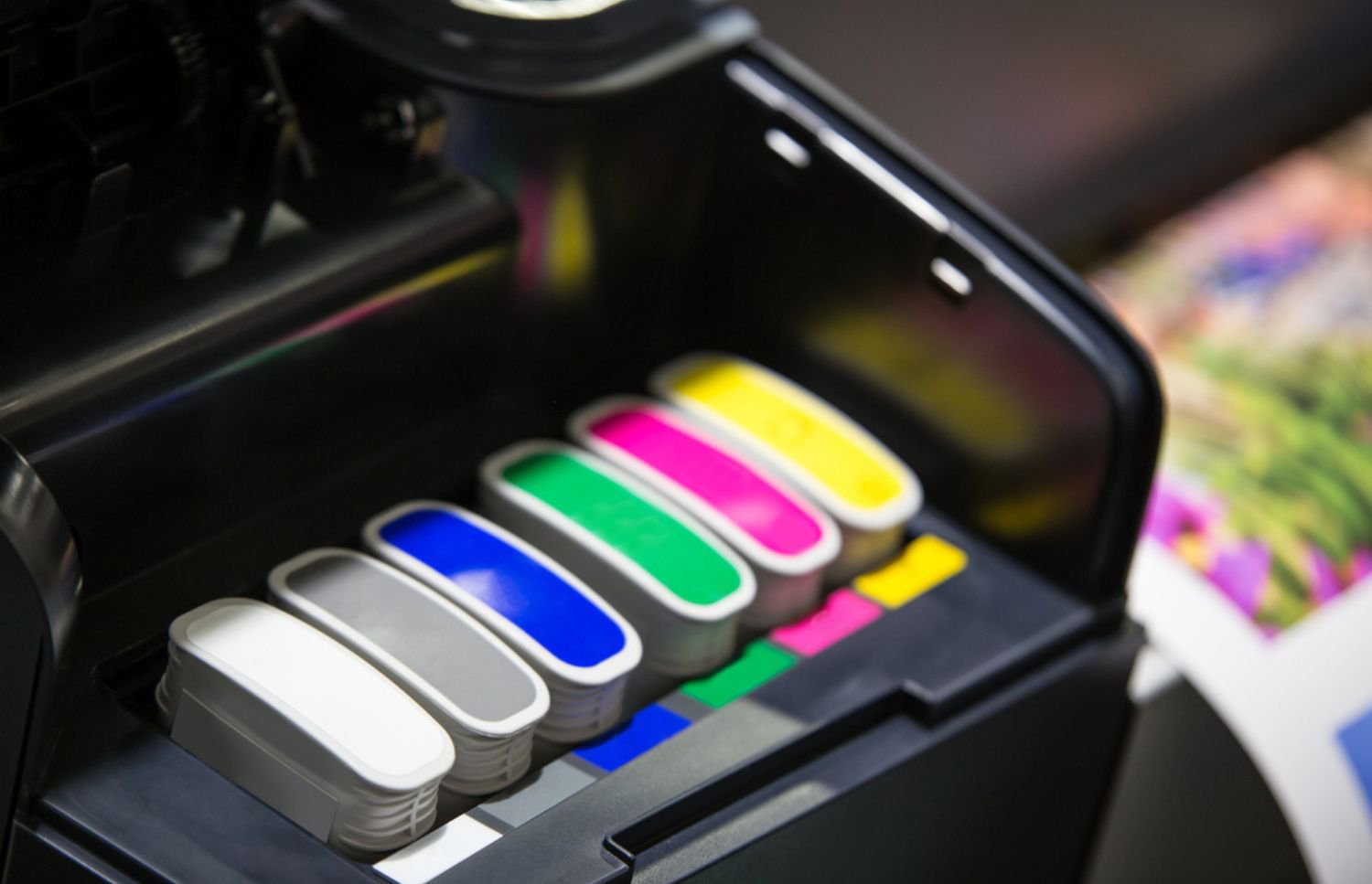
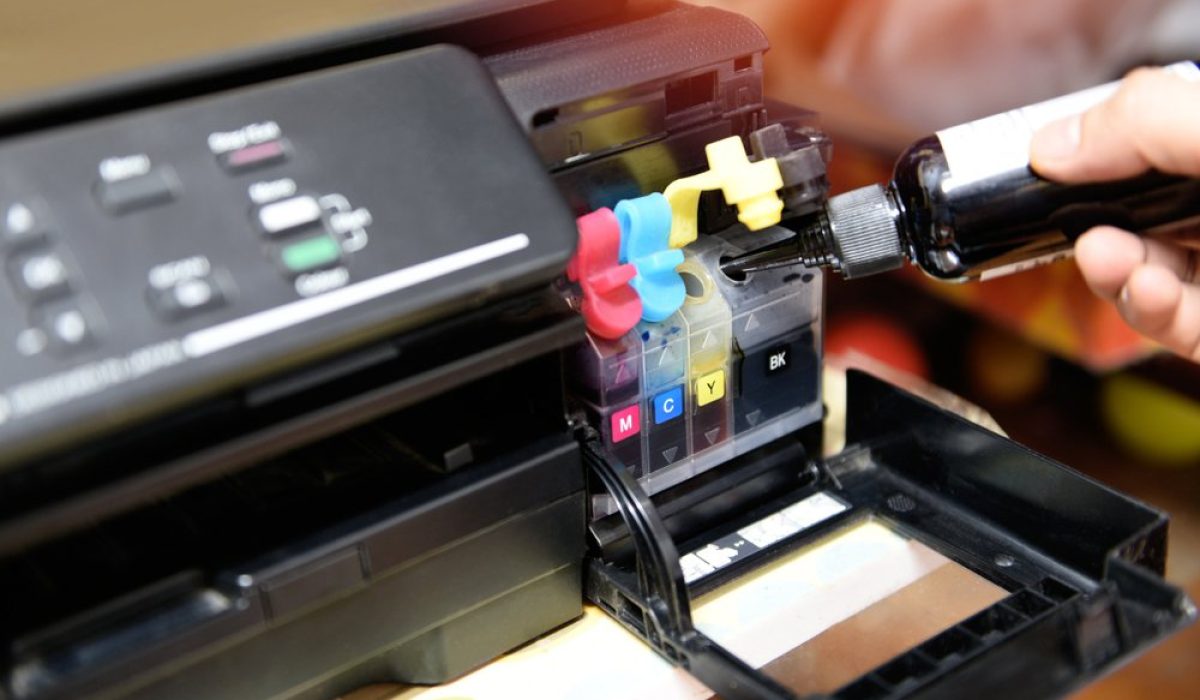
Ink tank printers use refillable reservoirs instead of disposable cartridges for ink storage. Larger ink capacities support extended printing without frequent supply changes or downtime. Consequently, offices experience steadier output during high-demand periods.
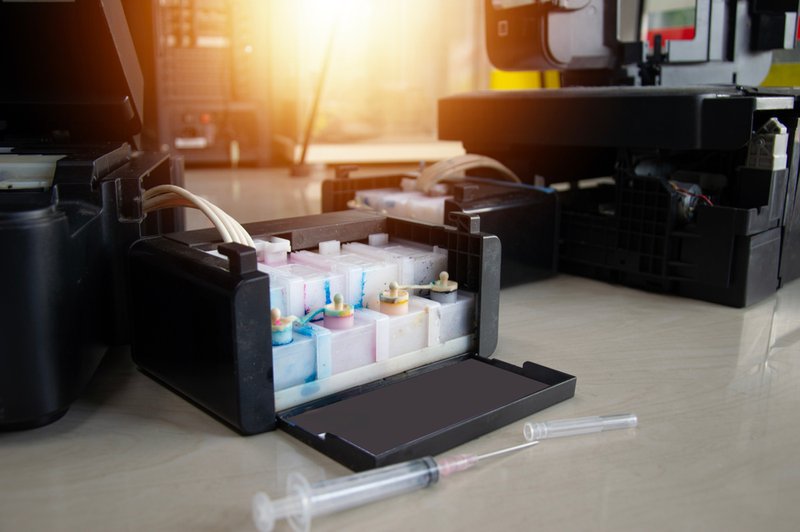
Traditional inkjet printers rely on small cartridges that empty quickly under business workloads. Frequent replacements increase consumable spending and disrupt daily workflows. Ink tank designs address these inefficiencies through bulk ink delivery systems.
Some models deliver up to 6,000 black pages per refill, making the best ink tank printer a cost-efficient solution. Businesses gain more predictable operating costs month after month by selecting devices matched to workloads. Companies seeking trusted models from top brands can explore them.
Business Use Cases That Benefit From An Ink Tank Printer
Businesses face high printing demands that slow operations. They also raise costs. Ink tank printers reduce interruptions and lower per-page expenses. Knowing which teams benefit most helps prioritize investments and improve workflow.
Here are five common business scenarios where the best ink tank printer delivers significant value:
- Administrative Teams: Print high volumes of invoices, reports, and compliance documents with fewer interruptions.
- Marketing Departments: Produce color-rich presentations, promotional materials, and client-facing documents consistently.
- Finance and Accounting: Maintain accurate records and statements without delays caused by cartridge replacements.
- Legal Offices: Handle contracts, filings, and case documentation efficiently during peak deadlines.
- Creative Teams: Manage mixed media, design proofs, and visual content without quality loss.
Organizations that combine printing with an efficient document management system often improve workflow and reduce administrative bottlenecks. Choosing the best ink tank printer ensures teams operate efficiently while controlling costs.
Key Buying Factors
Choosing the right printer requires evaluating multiple operational and financial factors. Each factor ensures the device meets business demands while supporting long-term cost efficiency. Understanding these priorities helps prevent costly mistakes and workflow disruptions.
Here are five essential factors to consider when selecting the best ink tank printer:
- Print Volume: Ensure the printer’s monthly duty cycle matches actual office usage to prevent premature wear.
- Speed and Efficiency: Pages per minute affect workflow, especially for high-volume or time-sensitive departments.
- Connectivity Options: Ethernet, Wi-Fi, and cloud printing allow flexible access across teams and devices.
- Total Cost of Ownership: Account for ink, maintenance, diagnostics, and potential downtime over the device lifespan.
- Security Features: User authentication and secure printing protect sensitive business and client information.
Leveraging managed print services can simplify maintenance, improve uptime, and optimize long-term costs. Evaluating these factors ensures businesses select the best ink tank printer for their specific needs.
Evaluating Ink Tank Printers for Long Term Performance
Workflow analysis reveals where printing delays most commonly occur. Understanding peak demand prevents selecting underpowered devices. Proper evaluation also avoids unnecessary feature overspending.
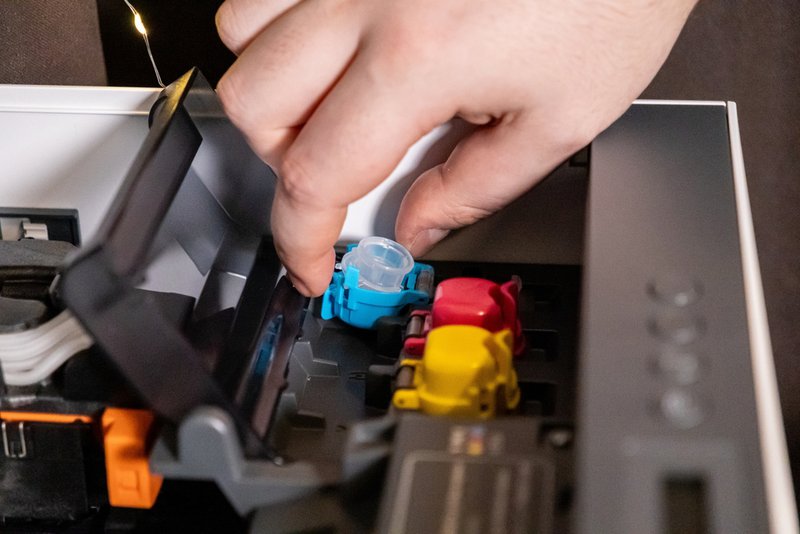
Routine diagnostics and ink monitoring prevent sudden workflow interruptions. Early detection reduces the likelihood of equipment failure. Following simple steps for checking ink levels helps staff maintain smooth operation and avoid surprises during critical tasks.
Organizations managing multiple printers gain efficiency through centralized system oversight. Balanced workloads help minimize strain on each individual printer device. This structured approach ensures consistent performance across the entire printer fleet.
Practical Maintenance Tips for Ink Tank Printers
Monitoring ink levels regularly prevents unexpected workflow interruptions in busy offices. Routine cleaning and preventive checks maintain consistent output quality. Proactive servicing reduces the risk of costly equipment failures over time.
Keeping printers in temperature-controlled, dust-free environments extends component lifespan. Environmental consistency supports predictable performance, especially for high-volume printing needs. Staff training on proper refill procedures minimizes user errors.
Integrating centralized device monitoring ensures all machines operate efficiently. Early alerts for low ink or potential faults support uninterrupted productivity. Companies with structured preventive maintenance typically reduce downtime by up to 25 percent annually.
Choosing the Best Ink Tank Printer With Expert Support
Selecting the best ink tank printer requires aligning equipment capabilities with real operational needs. Businesses that plan strategically avoid cost overruns and performance shortfalls. Thoughtful decisions support consistent productivity across departments.
Expert guidance makes printer selection easy. Leasing and maintenance are simplified. On-Site LaserMedic supports ink tank printers from HP, Brother, Epson, and Canon. Supplies and performance are fully managed. For reliable printer strategy and ongoing support, contact us today.